mjavdani@sfu.ca
School of Public Policy
Simon Fraser University
515 West Hastings Street
Vancouver, BC V6B 5K3
I am an associate professor of economics in the School of Public Policy at Simon Fraser University in Vancouver, Canada.
I study how inequality, precarity, and exclusion are produced, who bears their costs, and how the structures behind them can be challenged: in Canada’s labour markets, in its immigration and international education systems, in public attitudes toward immigration, and in the political divide between homeowners and renters. I also study economics itself as a site of power: how ideology, authority, and professional socialization shape what counts as credible knowledge in the discipline, and what a more pluralist economics would require.
Research interests
Inequality, precarity, and work
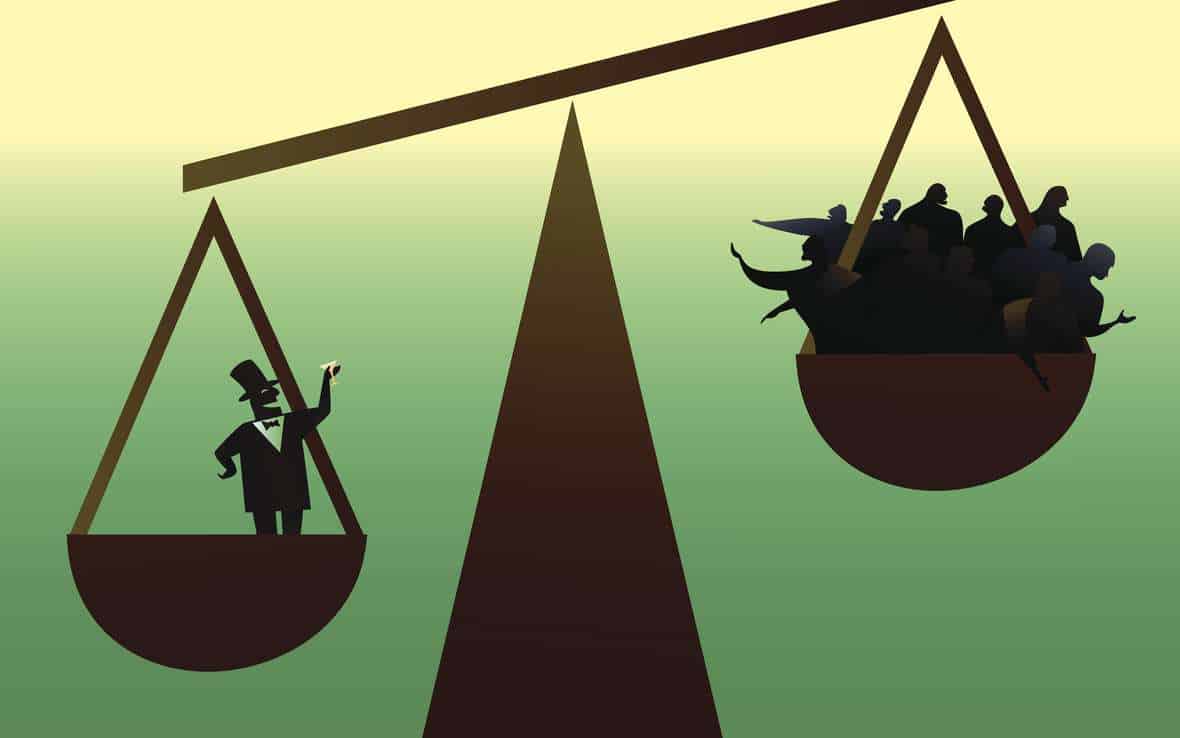
How labour markets and institutions distribute security, opportunity, and risk, and who is left carrying the risk.
Migration, citizenship, and belonging
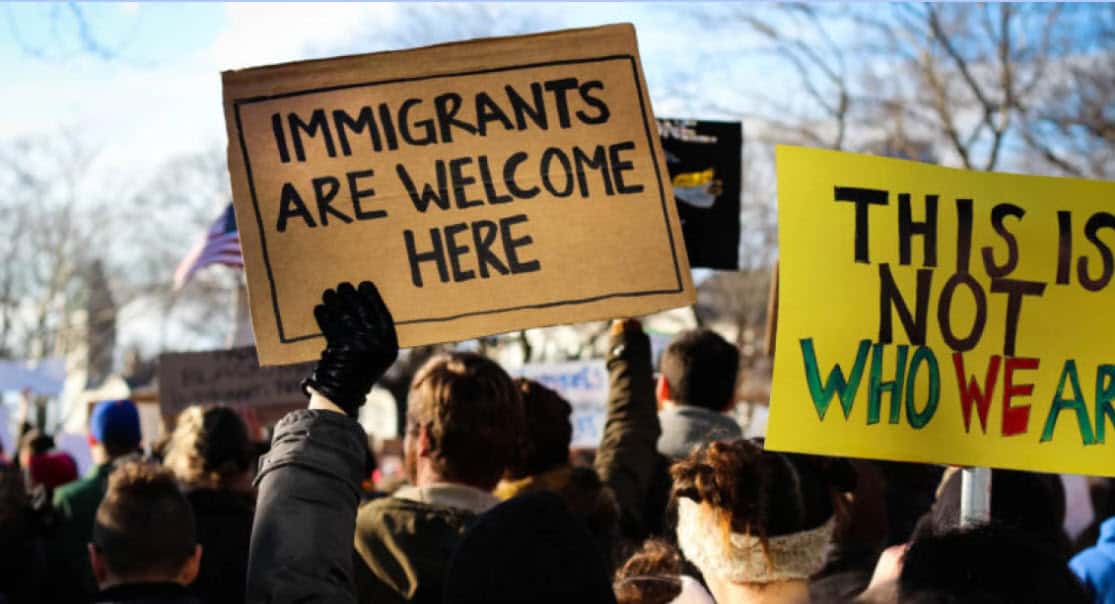
How states decide who may enter, stay, and belong, how migrants navigate those rules, and how the public sees immigration.
Economics, knowledge, and power
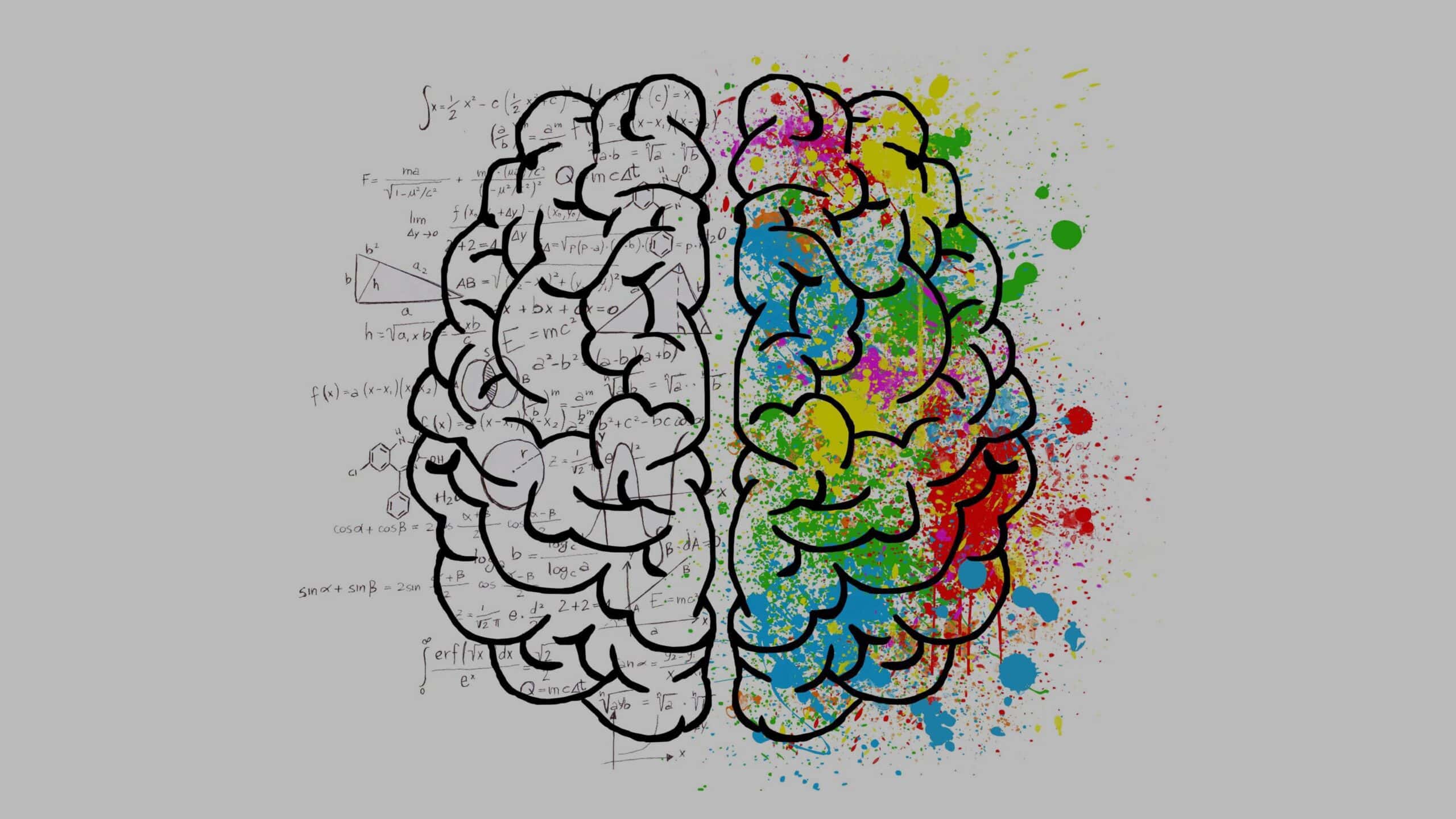
How economic knowledge is produced, legitimized, and taken up in policy, and what a more pluralist economics would look like.
The political economy of inequality
How the distribution of wealth and power shapes politics and public policy, and how it might be changed.
More about me
Once upon a time, in the hallowed halls of higher education, I walked the well-trodden paths of neoclassical economics. I learned its tools carefully, and I still value the rigour they taught me. But even then, a quiet skepticism shadowed its all-too-neat narratives: markets that clear, agents who optimize, and a discipline that claims to stand outside the world it describes.
That story carried me through the early chapters of my career, from curious graduate student to faculty member. Yet, as the seasons changed, the gospel of neoclassical economics began to read less like the science it claimed to be and more like an old fairy tale, one whose morals went unexamined and whose heroes and villains had been cast in advance.
So I began rereading the story from within. What troubled me was less any single assumption than the narrowness of the lens itself. A discipline that prizes what can be counted learns, quietly, to discount what cannot: dignity, security, belonging, the texture of a life lived on precarious terms. Its trade-offs arrive pre-negotiated, its questions pre-framed, and whatever escapes the model tends to escape notice altogether, sometimes a problem, sometimes whole communities. My work sits in that margin. I study the ideology and authority that keep the lens so narrow, and the inequalities that gather just outside its field of view: in precarious work, in the conditional welcome extended to migrants, in whose voices are heard when policy is made. Pluralism, for me, is not a slogan. It is the work of widening the lens, so that more of the story can be seen, told, and taken seriously.
Reinvention is an old plot in my life. I first lived it when I left Tehran for graduate studies in Canada, trading the familiar for a starkly different terrain and discovering new layers of myself, not unlike the shedding and renewal of leaves. It seems an affinity for plot twists is part of my very fabric; I am a cinephile, after all.